Wall and Ceiling Insulation with PU Foam
Wall and ceiling insulation is a critical application for ensuring energy efficiency, sound insulation, and comfort in buildings. PU foam, thanks to its expandable structure and high adhesion properties, offers effective insulation by filling wall and ceiling voids. This article details the methods, application techniques, and advantages of providing wall and ceiling insulation with PU foam.
1. Wall Insulation
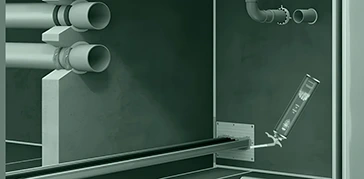
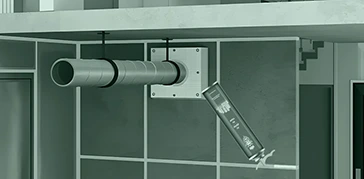
Gaps in walls are a major cause of heat loss and sound transmission. PU foam fills these gaps, saving energy and increasing indoor comfort. Its application, especially in exterior and interior partition walls, provides significant benefits in terms of both thermal and acoustic insulation.
Surface Preparation
Before applying wall insulation, the surface must be clean, dry, and dust-free. Dust and dirt can prevent the foam from adhering and reduce insulation performance. Additionally, identifying and, if necessary, smoothing cracks or gaps with light sanding will improve the application's efficiency.
Spraying and Application Technique
The foam should be sprayed into the voids in a controlled manner. Applying it in layers in large voids prevents overflow and ensures a homogeneous fill. The spray nozzle should be adjusted to reach the depths of the void. Using protective equipment during application prevents skin and eye contact.
2. Ceiling Insulation
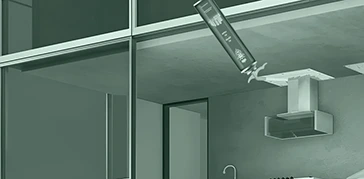
Ceiling insulation is crucial, especially in attic spaces and between floors, to prevent energy loss. When applied to ceiling cavities, PU foam reduces heat loss and contributes to sound insulation. Thanks to its expandable structure, it can fill even hard-to-reach areas.
Application Methods
- Prevent foam from overflowing by applying it in layers.
- By adjusting the heading angle correctly, you can reach all the spaces.
- Ensure good ventilation in enclosed spaces and wear masks.
Advantages
- Energy Saving: Heat loss is reduced by filling wall and ceiling voids.
- Sound Insulation: Structural and airborne sounds are blocked.
- Easy Application: Thanks to its spray nozzle, it provides effective use even in hard-to-reach areas.
- Long Lifespan: The hardened foam retains its shape and durability for years.
3. Points to Consider
- Keeping the surface clean and dry improves performance.
- Layered application prevents overflow and ensures a homogeneous fill.
- The use of protective equipment reduces health risks.
- Excess foam should be cleaned off after application, and equipment should be maintained.
Conclusion
PU foam wall and ceiling insulation is a highly effective method in terms of energy saving, sound insulation, and comfort. Applications performed with proper surface preparation, layered application, and spray techniques provide long-lasting and reliable results. This results in more efficient and comfortable living spaces in buildings.
The information in this text may vary from time to time depending on the manufacturer. Always check the product label.