Quick Repair and Restoration with PU Foam
PU foam is a material that offers quick and effective solutions in construction and repair work. Its gap-filling, crack-repairing, and insulation properties save time and labor. This article details quick repair and restoration methods using PU foam, the techniques to be applied, and points to consider.
1. Gap and Crack Filling
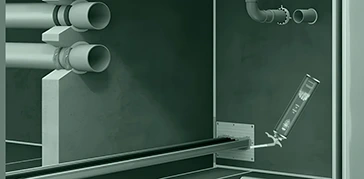
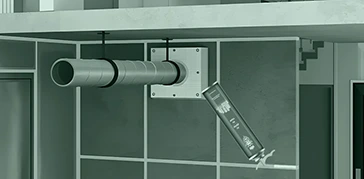
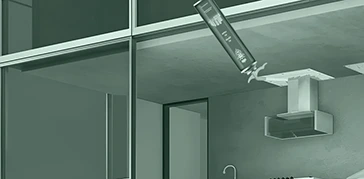
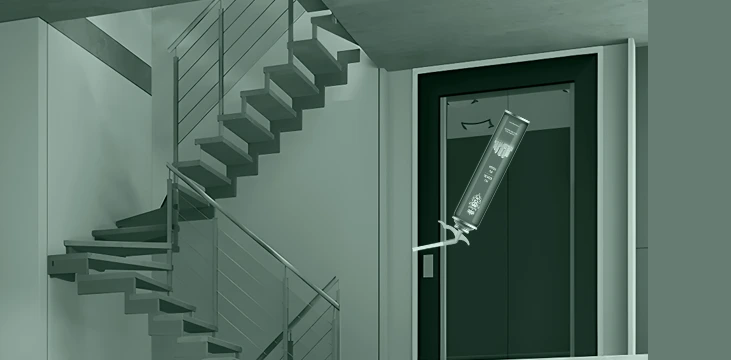
Gaps in walls, ceilings, or frames lead to heat loss and energy inefficiency over time. PU foam quickly fills these gaps and hardens to provide a durable seal. Cracks and small gaps should be filled with controlled spraying during application. This method both prevents energy loss and provides an aesthetically pleasing appearance.
2. Homogeneous Filling with Layered Application
Applying the filler in a single application to large gaps increases the risk of overflow or voids. Layered application involves waiting for each layer to harden before applying the next. This technique ensures a homogeneous filler and increases the durability of the repair.
3. Correct Spraying Technique
The spray nozzle should be used to reach deep into the gaps. Controlled spraying prevents overflow and ensures even distribution of the foam. Overspray leads to overflow, while underspray leaves gaps. Therefore, attention should be paid to the spraying technique during application.
4. Fast Drying and Hardening
PU foam expands and hardens shortly after application. This makes it possible to complete repair and restoration work quickly. If any excess foam is cut off and the surface smoothed after hardening, a successful repair is achieved in terms of both aesthetics and functionality.
5. Surface Preparation and Durability
Ensuring the surface is clean, dry, and dust-free before application improves the adhesion and hardening of the foam. This results in a longer-lasting repair and reduces the need for further labor. Additionally, suitable ambient temperature and humidity enhance the foam's durability.
6. Energy and Labor Savings
PU foam reduces energy loss and provides insulation because it fills gaps quickly and effectively. It also shortens labor time and reduces repair costs. Application is made efficient through layered application, spraying technique, and surface preparation.
7. Practical Tips
- Determine the size of the gaps and cracks and create an intervention plan.
- Ensure a homogeneous filler by applying it in layers.
- Direct the spray nozzle deep into the gap.
- Maintain appropriate room temperature and humidity levels.
- Trim any excess material after hardening and apply a coating if necessary.
Conclusion
PU foam is an ideal solution for quick repairs and restorations. Its gap-filling, crack-repairing, and insulation properties save both labor and materials. When applied correctly, paying attention to surface preparation and environmental conditions, PU foam applications deliver long-lasting and durable results.
The information in this text may vary from time to time depending on the manufacturer. Always check the product label.