PU Foam and Water Resistance
PU foam is a widely used material in construction and repair applications for gap filling, insulation, and sealing. Its water resistance makes its use critical, especially in damp and outdoor conditions. This article details PU foam and its water resistance, performance in damp areas, and long-lasting application techniques.
1. What is water resistance?
Water resistance refers to a material's ability to maintain its structural integrity and insulation properties when in contact with water. PU foam, thanks to its closed-cell structure, is impermeable to water and therefore provides durability even in damp areas. This property creates an effective seal in cracks, gaps, and joints.
2. Use in Humid Areas
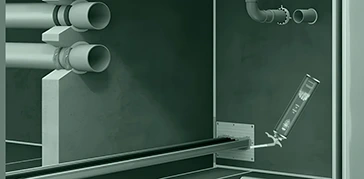
PU foam is resistant to damp environments in bathroom, kitchen, attic, and exterior applications. Used in these areas, the foam fills gaps, preventing water leakage and ensuring a longer lifespan for the structure. However, additional precautions are recommended for areas with continuous water contact.
3. Points to Consider Before Application
For a waterproof application, the surface must first be clean and dry. Dust, dirt, or oil can prevent the foam from adhering and expanding. Furthermore, ambient temperature and humidity levels during application affect the hardening and durability of the foam. Therefore, application should not be carried out without ensuring the correct conditions.
4. Application Techniques
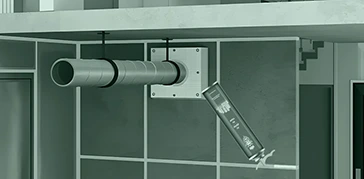
In PU foam application, spray technique and layered application are critical elements that increase durability. Applying the foam in a single application to large gaps can lead to overflow, therefore it should be applied in layers. The spray nozzle should be used to reach the depths of the gap, and the foam should be sprayed in a controlled manner.
5. Hardening and Durability
Hardened PU foam is resistant to water and moisture thanks to its closed-cell structure. If excess foam is trimmed and the surface smoothed after application, a long-lasting and aesthetically pleasing solution is achieved. This water-resistant foam is also effective in other performance areas such as thermal and sound insulation.
6. Tips for Long-Lasting Use
- Surface Preparation: A clean, dry, and dust-free surface improves the adhesion and durability of the foam.
- Layered Application: Provides homogeneous filling in large voids.
- Correct Spraying Technique: Prevents overflow and ensures all gaps are completely filled.
- Environmental Conditions: Suitable temperature and humidity must be maintained during application.
- Post-curing procedures: It is recommended to trim excess foam and apply a coating if necessary.
7. Advantages
- It is resistant to water and moisture.
- It provides heat and sound insulation.
- It creates a seal by filling the gaps.
- It provides a long-lasting and reliable application.
Conclusion
PU foam can be safely used in damp and outdoor areas thanks to its water resistance. Surface preparation, layered application, spray technique, and post-curing processes are critical for long-lasting and durable applications. With these tips, PU foam offers an effective solution in terms of both comfort and structural durability.
The information in this text may vary from time to time depending on the manufacturer. Always check the product label.