PU Foam
PU Foam Guide: Usage, Advantages, Insulation, and Energy Saving
PU foam is a critical material used in the modern construction and renovation industry for gap filling, insulation, sealing, and energy saving. PU foam applications are crucial for making buildings more comfortable, durable, and economical. This guide covers all the properties, applications, application techniques, and practical tips for PU foam in detail.
1. What is PU Foam?
PU foam is a polyurethane-based material generally known for its closed-cell structure. This structure provides resistance to water and moisture penetration. When applied, it expands to fill gaps and hardens to form a durable sealant. Thanks to its flexible structure, the risk of cracking or tearing is minimal. PU foam also offers an effective solution for energy saving and sound insulation.
1.1 The Difference Between Closed and Open Cells
PU foams are produced in two different types: closed-cell and open-cell. Closed-cell foam provides high insulation and water resistance. Open-cell foam, on the other hand, has a breathable structure and is more effective in sound insulation. Which type to use depends on the needs of the application area.
1.2 Key Features
- It has high expansion and void-filling capacity.
- It provides heat and sound insulation.
- It is resistant to water and moisture.
- It is long-lasting and durable.
- It offers quick installation and repair options.
2. Applications of PU Foam
PU foam has a very wide range of uses in construction and repair projects. Its main applications include:
2.1 Door and Window Installation
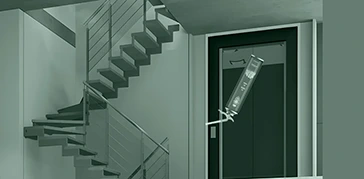
PU foam is ideal for filling mounting gaps in doors and windows. Completely filling the gaps prevents heat loss and ensures a watertight seal. This results in both energy savings and increased indoor comfort.
2.2 Wall and Ceiling Openings
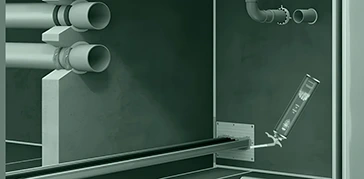
Gaps between walls and ceilings cause heat loss and energy inefficiency. PU foam fills these gaps, saving energy and improving sound insulation. Especially in ceiling and roof spaces, proper application provides long-lasting insulation.
2.3 Crack and Gap Filling
Cracks in walls, ceilings, or floors can widen over time, causing energy loss. PU foam quickly fills cracks and gaps, hardening to provide a durable seal. This saves both time and labor on repair work.
2.4 Sound and Vibration Insulation
PU foam reduces sound transmission and prevents vibrations by filling air gaps. Therefore, it is commonly used in areas where noise control is important, such as apartments, offices, and studios.
3. Energy Saving with PU Foam
PU foam is an important tool for saving energy. It prevents heat loss by filling gaps and cracks. It reduces warm air loss in winter and prevents cold air from entering in summer. This lowers energy bills and makes buildings more efficient.
3.1 Thermal Insulation
Closed-cell PU foam provides high thermal insulation. When the gaps are completely filled, it helps maintain the indoor temperature. As a result, heating and cooling systems consume less energy, leading to energy savings.
3.2 Leakage
PU foam application minimizes air permeability. Used around doors and windows or in wall cavities, PU foam provides a watertight seal, preventing energy loss. This both increases comfort and reduces energy costs.
3.3 Long-Term Savings
PU foam maintains its durability for many years. The hardened foam does not lose its flexibility over time and continues to provide energy efficiency. With proper application, energy savings become permanent.
4. PU Foam Application Techniques
The techniques used in PU foam application directly affect performance and durability. Here are the most important application techniques:
4.1 Surface Preparation
The surface to be coated must be clean, dry, and dust-free. Dirt and oil will prevent the foam from adhering and will cause gaps to not be completely filled. Surface preparation is the first step to a successful application.
4.2 Layered Application
Applying the filler in a single application to large voids increases the risk of overflow or gaps. Layered application means waiting for each layer to harden before applying the next. This technique ensures a homogeneous filler.
4.3 Spraying Technique
The spray nozzle should be used to reach deep into the gaps. Controlled spraying prevents overflow and ensures even distribution of foam. Overspray will cause overflow, while underspray will leave gaps.
4.4 Erection and Regulation
After application, the foam expands and hardens. Excess foam should be trimmed and the surface smoothed. This is important for both aesthetics and durability.
5. Quick Repair and Service
PU foam offers a quick and practical solution for gap filling and crack repair. Because of its short curing time, it can be used immediately after application. This feature provides a significant advantage, especially in urgent repair jobs and time-constrained projects.
5.1 Gap and Crack Filling
Cracks in walls, ceilings, or floors can lead to energy loss and reduced structural integrity over time. PU foam quickly fills these cracks and hardens to form a durable sealant. This sealant provides both thermal and acoustic insulation. A layered and controlled spraying technique should be preferred during application.
5.2 Fast Drying and Hardening
PU foam expands and hardens shortly after application. This allows repair work to be completed quickly. Once hardened, excess foam can be trimmed to create an aesthetically pleasing look and increase the durability of the application.
6. Durability and Long Lifespan
PU foam is a long-lasting and durable material. The hardened foam retains its shape for years. Its flexible structure minimizes the risk of cracking and tearing. It is also resistant to external factors, including water and moisture. When applied with correct application techniques and surface preparation, its durability reaches its maximum level.
6.1 Maintaining Heat and Sound Insulation
PU foam provides permanent heat and sound insulation because it completely fills the voids after hardening. It increases energy efficiency in wall, ceiling, and roof cavities for a long time. It provides comfort in living spaces by reducing sound transmission.
6.2 Resistance to External Factors
Thanks to its closed-cell structure, PU foam is resistant to water, moisture, and weather changes. This feature is of great importance for exterior applications and roof insulation. Furthermore, the foam is resistant to deformation and deterioration.
7. Water and Moisture Resistance
PU foam is a material that is unaffected by water and moisture. This is a critical advantage, especially in damp areas such as bathrooms, kitchens, attics, or exterior walls. Thanks to its closed-cell structure, it prevents water from penetrating and maintains its insulation performance.
7.1 Importance of Closed Cell Structure
Closed-cell PU foam is water-resistant and provides long-lasting insulation when applied in humid environments. This results in both energy savings and durability.
7.2 Moisture and Mold Prevention
PU foam prevents water accumulation in gaps and cracks, thus preventing mold and mildew formation caused by moisture. This both extends the life of the structure and improves indoor air quality.
8. Sound Insulation and Vibration Control
PU foam reduces sound transmission and prevents vibrations by filling gaps. Therefore, it is widely used in apartments, offices, studios, and areas where noise control is important. In sound insulation, applying it homogeneously and in sufficient quantity improves performance.
8.1 Filling Air Gaps
Sound transmission typically occurs through air gaps. PU foam minimizes sound transmission by filling these gaps. A homogeneous filling should be ensured through layered application.
8.2 Damping Vibrations
PU foam forms a flexible structure that reduces vibrations when it hardens. This provides a significant advantage for vibration control, especially in engine rooms or noisy environments.
9. Occupational Safety and Health Measures
Safety precautions must be taken when applying PU foam. It may pose risks to skin contact, eyes, and respiratory tract. The following precautions are important for occupational safety:
- Hand, eye, and respiratory protection should be provided.
- The application area should be well ventilated.
- In case of contact with eyes and skin, rinse immediately.
- Keep away from children and pets.
10. Common Mistakes and Their Solutions
Common mistakes made during PU foam application include:
- Inadequate surface preparation → The surface must be cleaned and dried.
- For large spaces, applying the material in a single pass is not recommended → Layered application is preferred.
- Incorrect use of the spray nozzle → Controlled spraying should be performed.
- Ambient temperature and humidity should not be ignored → They should be checked before application.
- Do not cut off the excess foam after hardening → Excess foam should be cut off and the surface smoothed.
11. Practical Application Tips
- Develop an implementation plan and identify gaps.
- Achieve a homogeneous filling through layered application.
- Direct the spray nozzle into deep crevices.
- Maintain appropriate room temperature and humidity levels.
- After hardening, trim any excess material and smooth the surface.
- Maximize energy and sound insulation by completely filling the gaps.
12. Example Application Scenarios
Gaps created during door and window installation in an apartment can be filled with PU foam. This process prevents heat loss and reduces sound transmission. Applying PU foam to attic spaces saves energy, reducing heating and cooling costs. Applying PU foam to cracks and holes allows for quick repairs and long-lasting durability.
13. Conclusion
PU foam is a versatile material used in the construction and repair industry for gap filling, insulation, sealing, energy saving, sound and heat insulation, quick repairs, and long-lasting durability. When applied with correct application techniques, surface preparation, safety precautions, and layered spraying, the comfort and efficiency of structures are maximized.
The information in this text may vary from time to time depending on the manufacturer. Always check the product label.