Sealing with PU Foam
Sealing is extremely important in buildings for achieving heat and energy savings and preventing moisture and air ingress. PU foam is an ideal material for this purpose thanks to its expansion and filling properties. By filling gaps and preventing air and water leaks, PU foam offers an effective solution in both construction and repair applications. In this article, we will discuss in detail the methods of sealing with PU foam, its areas of use, and application techniques.
Why is leakproofing important?
Air leaks in buildings are one of the biggest causes of energy loss. Door and window edges, wall cracks, and ceiling and floor joints, if not properly sealed, lead to both energy loss and moisture problems. Ensuring airtightness increases energy efficiency, improves indoor comfort, and extends the lifespan of the building.
Sealing Properties of PU Foam
PU foam expands and hardens rapidly in the gaps where it is applied. This property allows it to completely fill gaps and prevent air ingress. Furthermore, its hardened structure maintains its sealing performance for many years. Thanks to its flexible structure, it is resistant to structural movements and minimizes the risk of cracking.
Fill in the Blanks
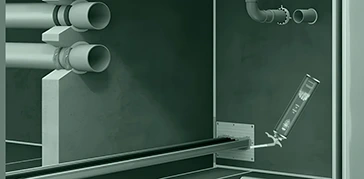
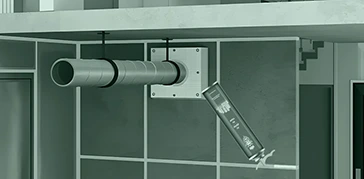
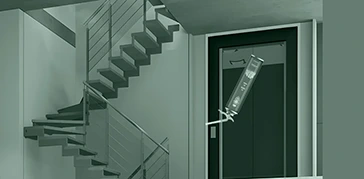
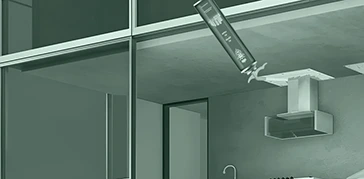
Gaps created during door and window installation, or at wall or ceiling joints, are filled with PU foam to ensure a watertight seal. The layered application method prevents overflow in large gaps and ensures a homogeneous filling.
Preventing Air and Water Leakage
PU foam prevents air and water ingress because it fills gaps as it expands. When applied especially around windows and roofs, it protects the interior from moisture and wind. This not only saves energy but also increases indoor comfort.
Application Techniques
There are certain techniques to consider when sealing with PU foam:
- Surface Preparation: The surface to be coated must be clean, dry, and dust-free. This improves the adhesion of the material to the surface.
- Layered Application: Applying the treatment in layers is more efficient than applying it all at once to large areas.
- Controlled Spraying: The amount and speed of spraying must be controlled to prevent material from overflowing.
- Protective Equipment: Wearing gloves and goggles prevents skin and eye contact.
Areas of Application
The main areas where PU foam can be used for sealing are as follows:
- Door and Window Frames: This is the most common application area. It prevents air and water leaks.
- Wall and Ceiling Cavities: Cracks and voids created during construction are filled with PU foam to ensure a watertight seal.
- Floor and Roof Applications: Used at floor and roof junctions to prevent energy loss.
Advantages
Sealing with PU foam offers many advantages:
- Energy Saving: Heat loss is reduced because air leakage is prevented.
- Long Lifespan: The hardened PU foam provides durability for years.
- Easy Application: Thanks to its spray nozzle, it provides effective use even in hard-to-reach areas.
- Flexibility: Resistant to structural movements, low risk of cracking and breaking.
Conclusion
PU foam is an effective and practical solution for sealing. Its ability to fill gaps, prevent air and water ingress, and offer a long service life makes it indispensable in modern construction and repair applications. Maximum efficiency and performance are achieved when attention is paid to techniques such as surface preparation, layered application, and controlled spraying during application.
The information in this text may vary from time to time depending on the manufacturer. Always check the product label.