Guide to Filling Gaps with PU Foam
Gaps encountered during construction and repair work can lead to problems such as energy loss, sealing issues, and sound transmission. PU foam, thanks to its expansion and filling properties, is an ideal material for quickly and effectively filling these gaps. In this guide, we will examine the gap filling process with PU foam step-by-step and share the points to consider.
1. Filling the Gaps
The first step is to assess the gaps to be filled. The size and depth of gaps in walls, ceilings, floors, and door and window frames should be measured. This assessment is important for determining the amount of foam to be applied and the appropriate spraying technique.
2. Surface Preparation
Clean and dry surfaces are critical for foam adhesion and expansion. Dust, dirt, or moisture will reduce the effectiveness of the application. During surface preparation, any old material residue should be removed, and the surface should be smoothed with light sanding if necessary.
3. Use of Protective Equipment
Protective equipment is necessary for skin, eye, and respiratory health during PU foam application. Gloves, goggles, and masks prevent contact and ensure a safe working environment. Wearing a mask, especially in enclosed spaces, prevents the inhalation of vapors.
4. Spraying Techniques
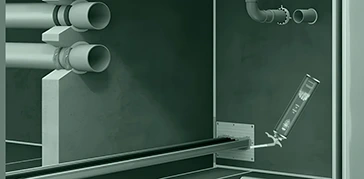
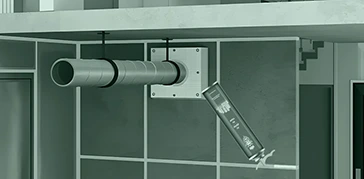
Proper application of PU foam ensures complete filling of the gap and prevents overflow. For large gaps, layering is necessary. The spray nozzle should be positioned to reach the depths of the gap, and the foam should be dispensed in a controlled manner. Over-spraying will cause overflow, while under-spraying will leave gaps.
5. The Expansion and Hardening Process
PU foam expands and hardens rapidly after application. The application amount must be carefully adjusted to prevent overflow during expansion. After hardening, excess foam can be removed with a utility knife or sandpaper. This step ensures a smooth and aesthetically pleasing surface.
6. Final Actions
If paint or a coating is to be applied to the hardened PU foam, it must be sanded properly. This ensures an aesthetically pleasing appearance and prepares the surface for further processing. Additionally, equipment used after application must be cleaned; otherwise, there is a risk of clogging and incorrect application during the next use.
7. Advantages
The advantages of filling gaps with PU foam are as follows:
- Quick and Practical: Gaps are filled in a short time.
- Energy Saving: Increases energy efficiency by preventing heat loss.
- Sound Insulation: Sound transmission is reduced when gaps are filled.
- Long-lasting: The hardened foam retains its durability for years.
Conclusion
PU foam gap filling is a significant solution in terms of energy efficiency, sealing, and comfort. Properly assessing the gaps, preparing the surface, using protective equipment, and paying attention to spraying techniques increases the efficiency of the application. This guide provides a step-by-step application method for a successful and safe PU foam application.
The information in this text may vary from time to time depending on the manufacturer. Always check the product label.