PU Foam Application Techniques
PU foam is a versatile material used in the construction and repair industries for gap filling, sealing, and insulation purposes. However, its efficiency and performance can decrease if the correct application techniques are not known. Therefore, understanding the steps, tips, and common mistakes to consider when applying PU foam is crucial. In this article, we will discuss PU foam application techniques in detail and explain the points users should pay attention to during application.
Pre-Application Preparation
Before starting the PU foam application, surface preparation is of utmost importance. The application area must be clean, dry, and dust-free. Dust, dirt, and moisture can negatively affect the adhesion and expansion of the PU foam to the surface. Additionally, old fillers or loose particles on the surface can prevent the new PU foam from being applied evenly.
For large gaps or cracks, it is also important to use appropriate protective equipment before application. Gloves, goggles, and long-sleeved clothing prevent skin and eye contact during application. PU foam is difficult to clean once it comes into contact with the skin, and eye contact can cause serious irritation. Furthermore, ventilating the application area is crucial, especially if working in enclosed spaces.
Application Tools and Equipment
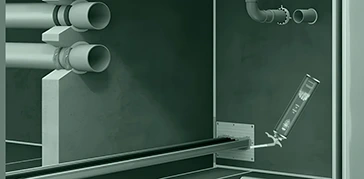
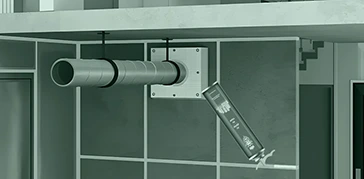
PU foam is usually sold in spray cans and can be applied directly to gaps using the included applicator nozzle. However, for large or extensive areas, special spray guns may be preferred for professional applications. These tools allow for controlled application of the material and reduce waste.
- Spray nozzle: Suitable for small gaps and confined spaces.
- Spray gun: Provides faster and more homogeneous application on large surfaces.
- Cleaning supplies: Solvent-based cleaners can be used to remove any spilled or excess foam during application.
Application Techniques
There are some techniques and tips for effectively applying PU foam:
Layer by Layer Application
For large gaps, it is recommended to apply the foam in layers rather than applying it all at once. Each layer should be allowed to harden before applying the next. This method ensures homogeneous expansion of the foam and reduces the risk of cracking.
Controlled Spraying
When applying material from a spray can or gun, uncontrolled spraying can lead to foam overflow and waste. Applying the material only to the required area ensures efficient use of the material.
Contact with the surface
PU foam performs best when it adheres to the surface. Therefore, the tip of the can or gun should be kept close to the surface during application. This technique ensures that gaps are completely filled, especially at wall and ceiling junctions.
Points to Consider During Implementation
Mistakes made during PU foam application can reduce the material's performance. Here are the most common mistakes and how to prevent them:
- Over-application: Overfilling the gap can cause the foam to overflow and not harden properly.
- Effect of moisture: Foam expansion and adhesion may be reduced on damp surfaces. Ensure the surface is dry before application.
- Low temperature: When applied in very cold environments, the foam's curing time is prolonged and its effectiveness decreases.
- Inadequate protection: Not wearing gloves and goggles can lead to skin and eye irritation.
Post-PU Foam Processes
After application, any excess foam should be cleaned up. Unhardened foam can be easily removed with solvent-based cleaners. Hardened foam can be smoothed out by cutting or sanding using mechanical methods. Also, if paint or a coating is to be applied to the treated area, the process should not be carried out before the surface is fully hardened.
Advantages and Performance
When applied correctly, PU foam delivers high performance. All advantages, such as gap filling, sealing, and heat and sound insulation, are achieved with maximum efficiency. Layered application and controlled spraying ensure the material is long-lasting and durable. Furthermore, its rapid curing time allows for projects to be completed in a shorter period.
Conclusion
Knowing and applying the correct PU foam application techniques directly affects the material's performance. Methods such as surface preparation, the use of appropriate equipment, layered application, and controlled spraying ensure efficient and long-lasting results. Therefore, PU foam application should be done carefully and consciously in both professional projects and home repair jobs.
The information in this text may vary from time to time depending on the manufacturer. Always check the product label.